Screenshots
Some of the features shown in the screenshots may not yet be available in the current version.
Hirschbiegel’s direction traps you in the bunker’s claustrophobia. The walls are gray concrete. The air is recycled panic. You will notice that there are no establishing shots of Berlin’s grandeur—only corridors, telephones, and the slow, creeping stench of failure. Before 2004, depicting Adolf Hitler as a human being was considered cinematic blasphemy. He was a monster, a caricature, a mustache twirling in the dark. But Bruno Ganz refused that. His Hitler is not a raving lunatic for two hours. Instead, Ganz builds a portrait of narcissistic collapse.
Suicide, child death, graphic war violence, psychological distress. This is not a popcorn film. nonton downfall 2004
But if you sit down to truly nonton —to immerse yourself, not just clip-chase—you will discover that Downfall is not about Hitler at all. It is about the mechanics of self-destruction, the banality of evil, and the terrifying ease with which ordinary people convince themselves that the world is not ending when it clearly is. The film opens not with a speech, but with a lie. We are in Berlin, 1945. The Red Army is two days away. Artillery rumbles like distant thunder. Inside the Reich Chancellery, a young woman named Traudl Junge (Alexandra Maria Lara) has just been hired as Hitler’s private secretary. She is starstruck. She calls him "a kindly old gentleman." You will notice that there are no establishing
This is the film’s first, cruel genius. We watch the apocalypse through her eyes. And for the first thirty minutes, despite the crumbling map coordinates and the SS deserters hanging from lampposts, there is a strange, polished normalcy. Officers salute. Tea is served. Hitler (Bruno Ganz) speaks in a low, weary voice about "counter-attacks" that exist only in his bloodstream. But Bruno Ganz refused that
And yes, you will see the rant scene. But you will never laugh at it again. ★★★★½ (Essential viewing for students of history, psychology, and the limits of cinema.)
Watch the scene where Hitler stares at a map and moves divisions that no longer exist. He shouts, "Do you think I’m crazy?" His generals say nothing. They are too afraid to tell the truth. That is the film’s eternal lesson: catastrophe does not arrive with a bang of awareness. It arrives with a thousand small silences, with people too polite or too frightened to say, "The war is over. We have lost."
But here is the counterargument: the meme keeps the film alive. A 17-year-old searching for "Hitler reacts to [something silly]" might, for the first time, see Bruno Ganz’s face. They might notice the tears. They might pause and wonder, Why is this so intense? And then they seek out the real film.
Some of the features shown in the screenshots may not yet be available in the current version.
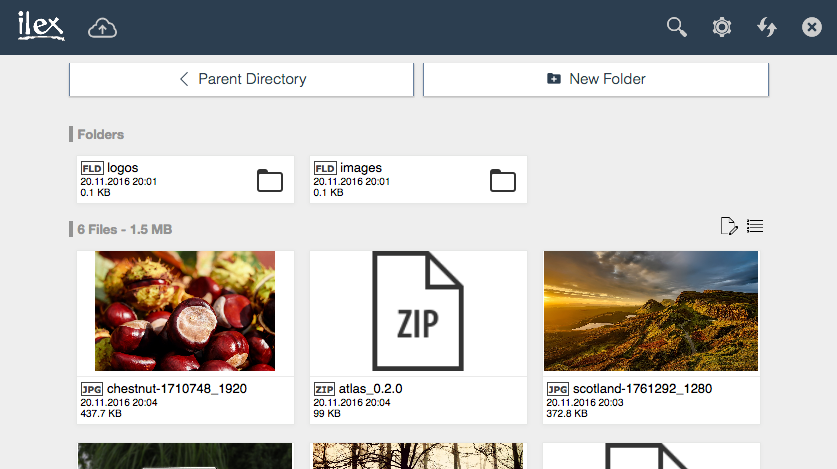

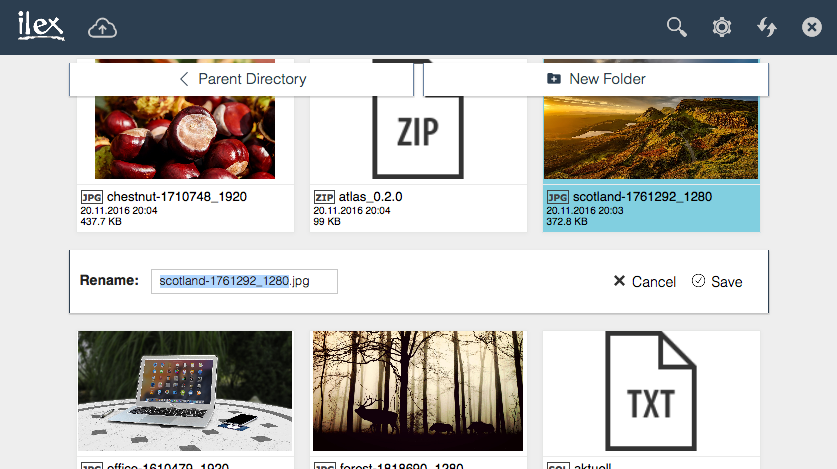
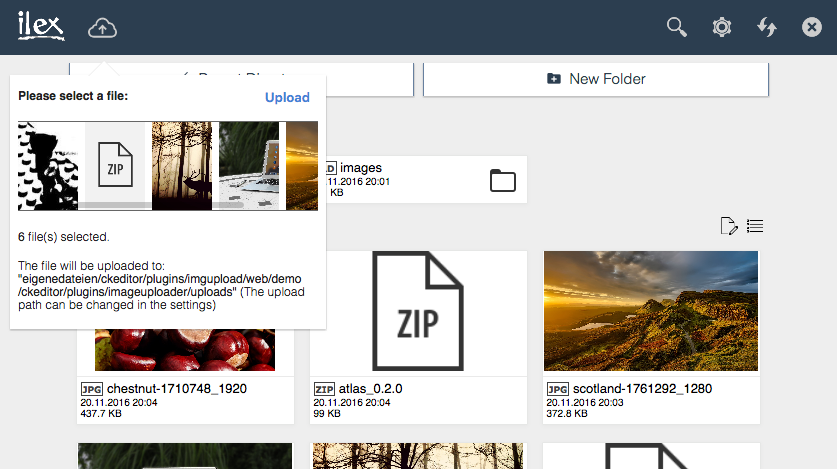
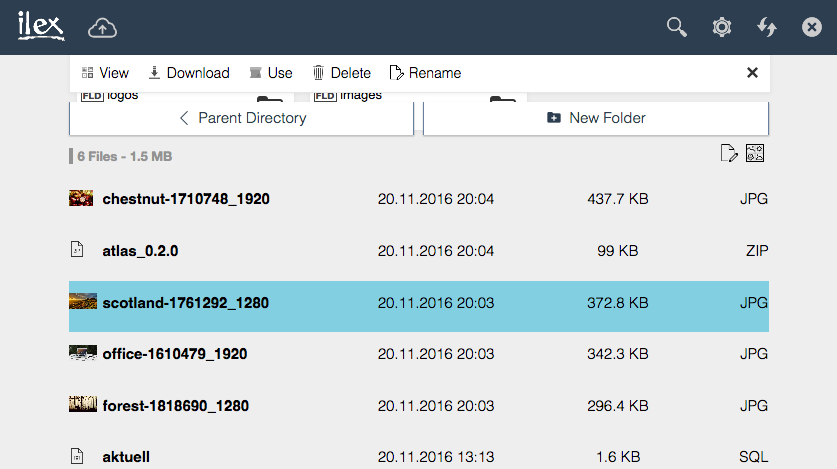
Image Browser for CKEditor l 28.05.2019 01:42 l Moritz Maleck
The year 2018 was somehow different from all the other years so far. Throughout I worked a lot on the new version of the Image Uploader and Browser for CKEditor, now called ilex Web File Manager and put hours of work into this project, I am now struggeling a bit. Due to legal aspects in Germany und due to my commitment [...]
Image Browser for CKEditor l 21.08.2017 23:39 l Moritz Maleck
Update (21.08.2017): The project is currently delayed, but the release is still planned this year. We are now testing the new version. We apologise for any inconvenience. Original article (08.11.2016): You haven't heard anything from me for quite a long time now, and the last update for the Image Uploader [...]
Copyright © 2015-2019 by Moritz Maleck
Icon pack by Icons8 l Impressum l Datenschutzerklärung
Image Uploader and Browser for CKEditor is licensed under the MIT license:
http://en.wikipedia.org/wiki/MIT_License