An Incised Serif Type Family

This typeface is part of The Monotype Library.
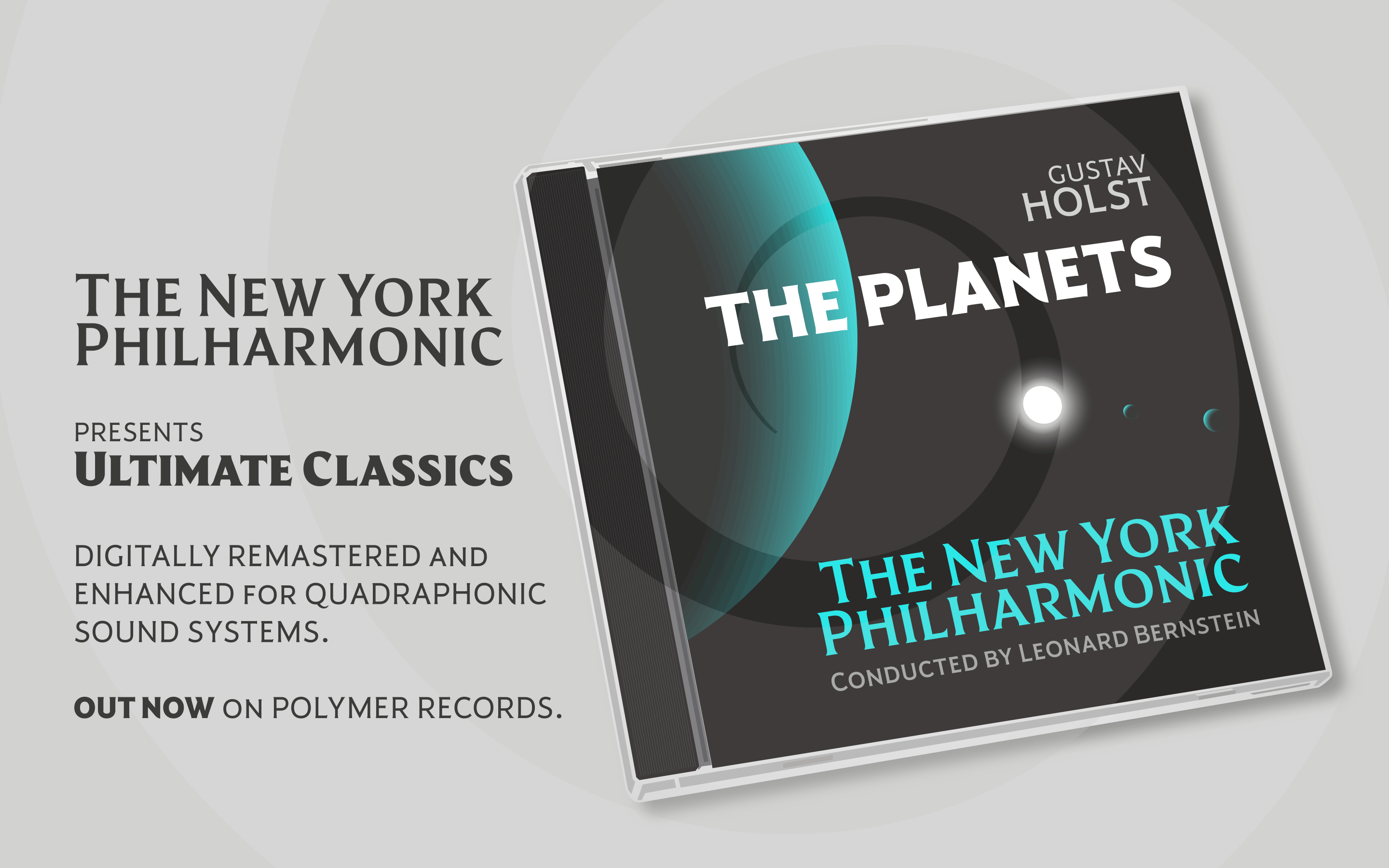
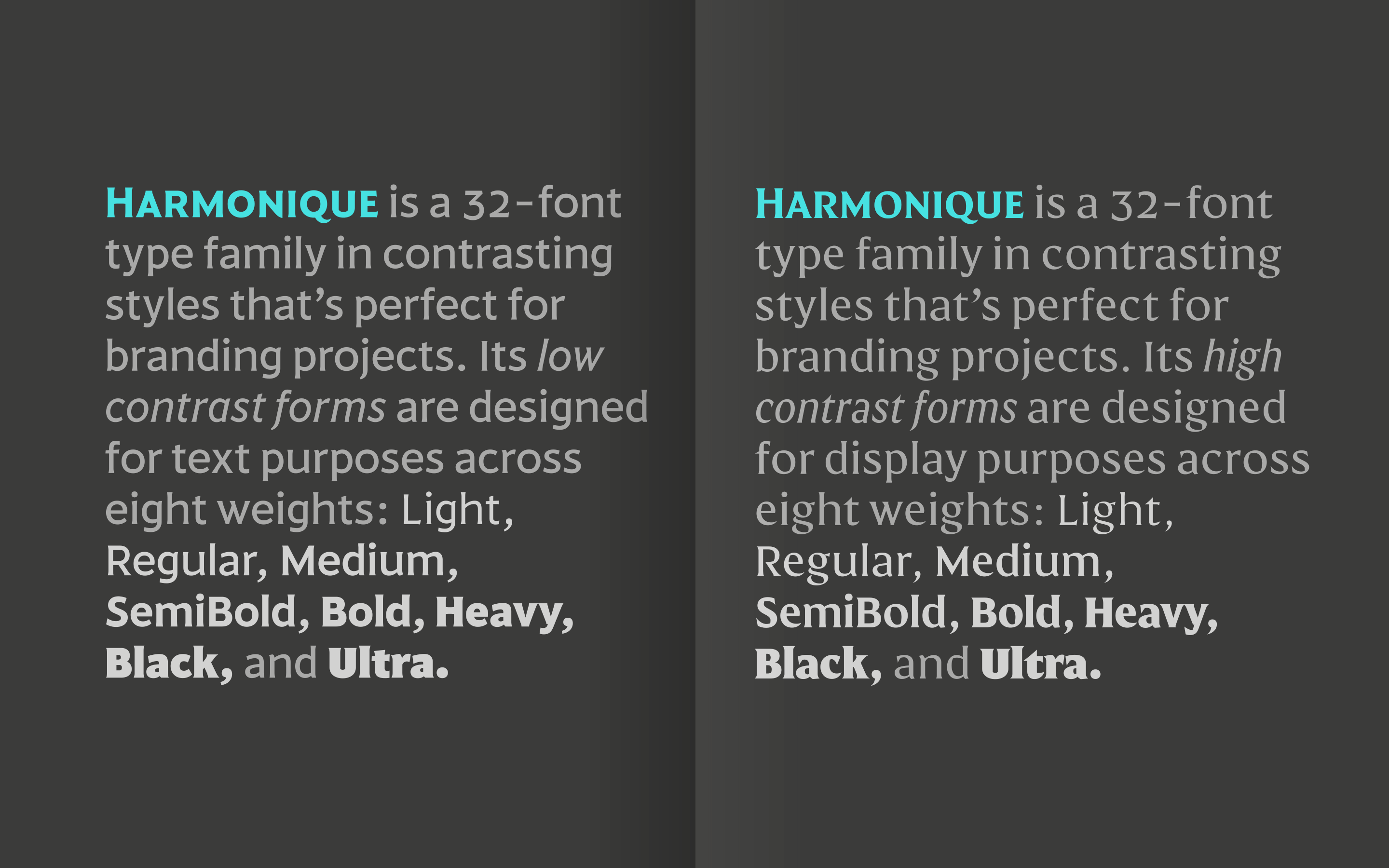
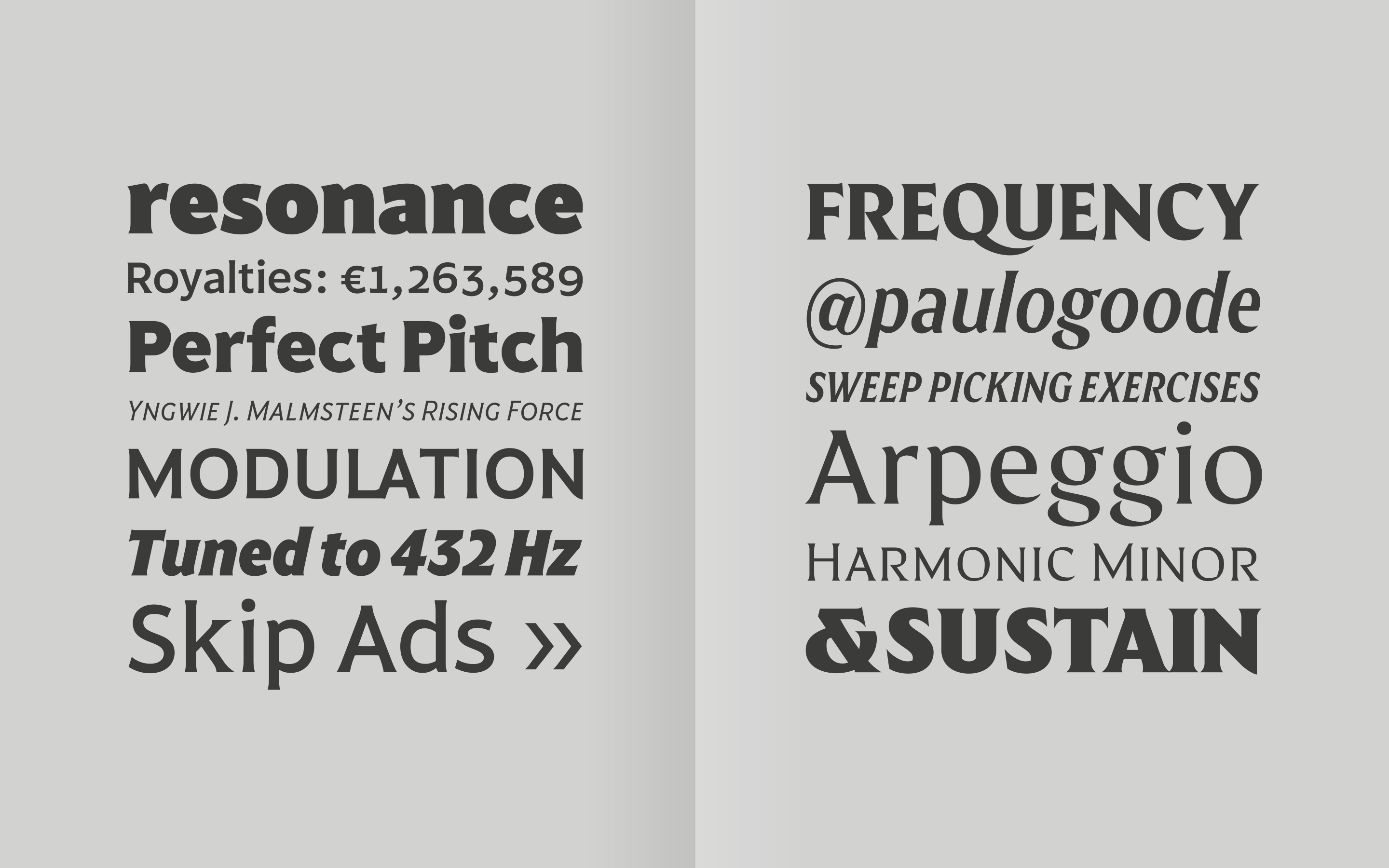
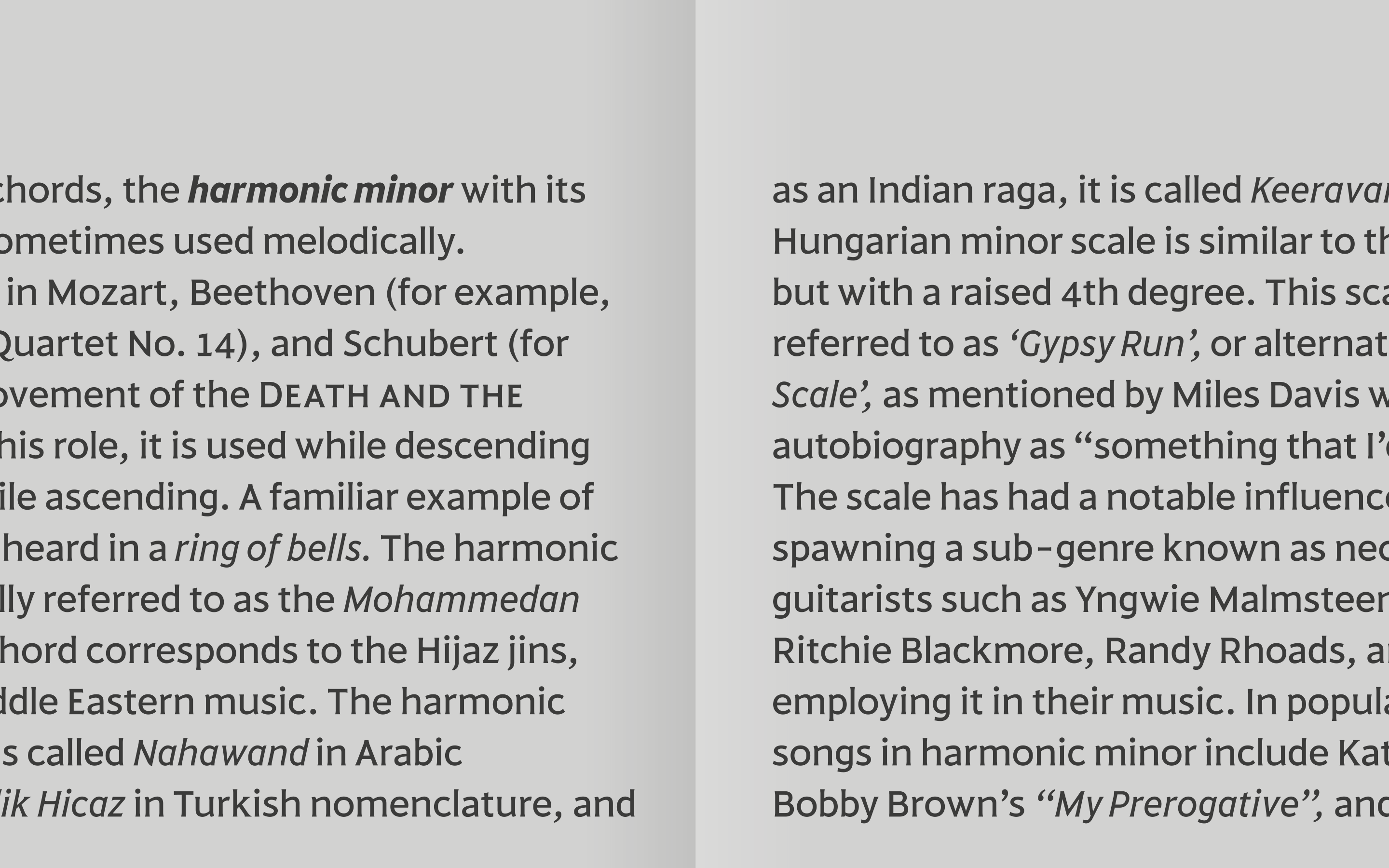
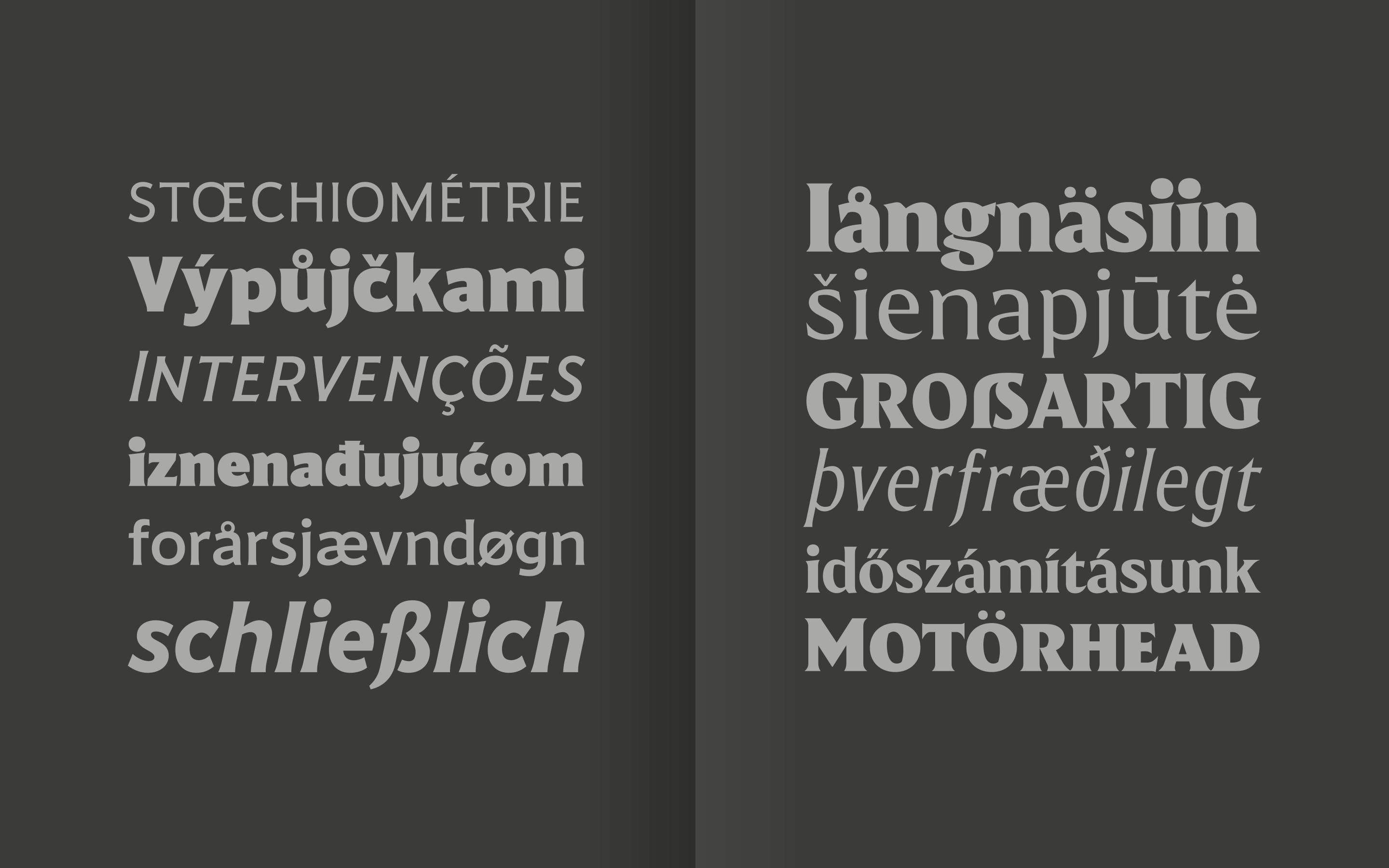
Harmonique is an incised serif typeface designed for both text and display purposes. It’s a type family of two styles that work in harmony together to add distinction and personality to your own typographic compositions. Harmonique’s low contrast forms have the appeal of a humanist sans serif typeface. Its subtly flared terminals evoke the craft and skill of a signwriter’s steady hand, creating an authentic and pleasing aesthetic. Harmonique Display is more calligraphic in its structure – as if drawn by a wide-nibbed pen. This style is accentuated by aggressively barbed serifs and chiselled arcs in its counters and bowls. These strong characteristics help to define a flamboyant, confident style that will provide impact and flair to your headlines, titles and identity designs.
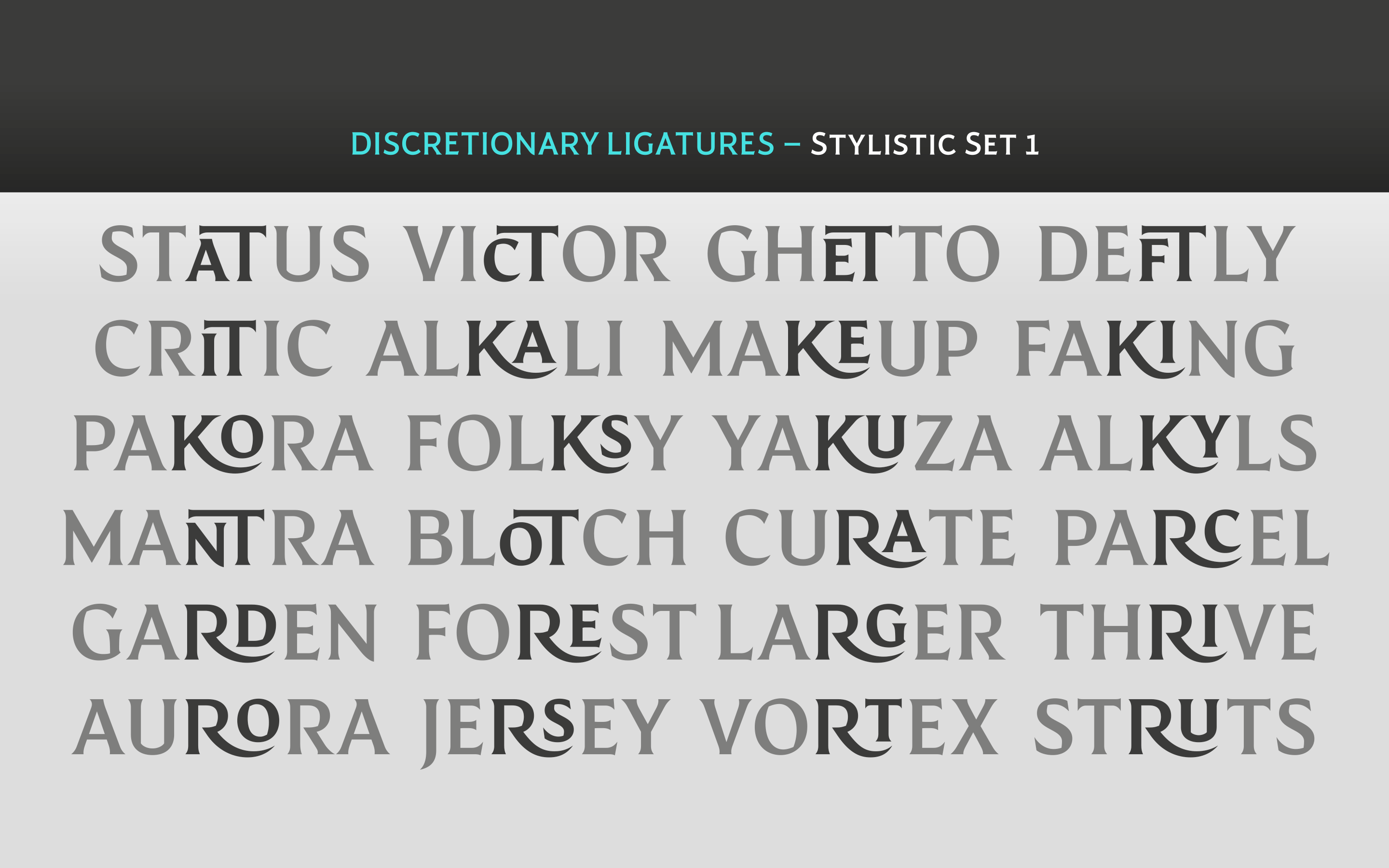
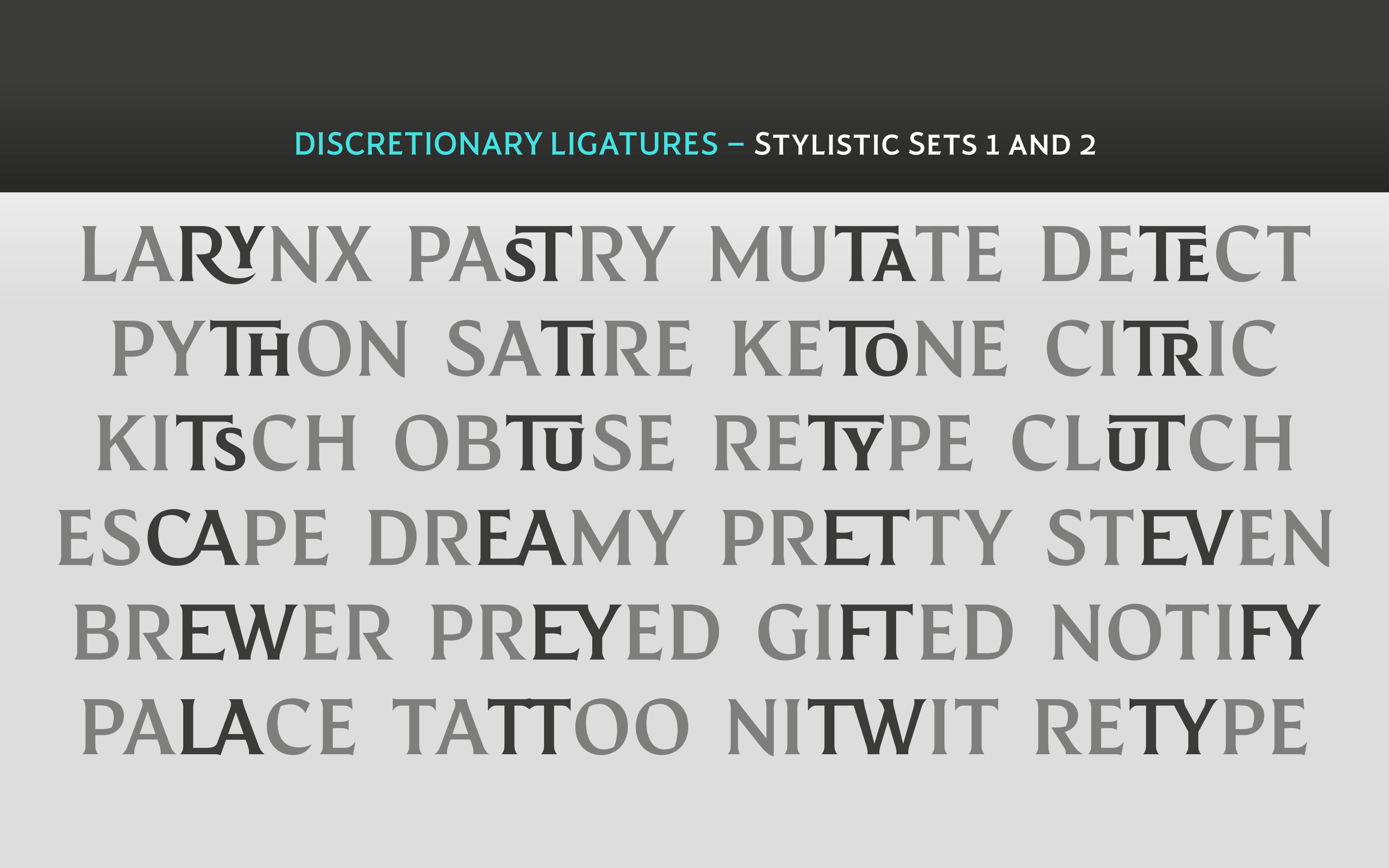
Practical features include 48 ligatures that will enhance titling possibilities with their all-capital pairings – these are accesssed by turning on Discretionary Ligatures and then selecting either Sylistic Set 1 or 2. There are also a number of alternate caps that will subtly enhance your titles and headlines – access these via Stylistc Sets 3 and 4. Small Caps are included too (along with their matching diacritics) – adding another layer of versatility to this typeface. Proportional Lining figures are available as an option if you prefer them to the default Old Style figures.
There are 32 fonts altogether, with 8 weights in roman and italic from Light to Ultra in both text (low contrast) and display (high contrast) styles. Harmonique has an extensive character set (650+ glyphs) that covers every Latin European language.
SUGGESTED FONT PAIRING: Harmonique and Stasis.
| Release Date | April 2021 |
| Classification | Incised Serif |
| No. of Fonts | 32 |
| Weights & Styles |
|
| Alternates | 11 |
| Ligatures | 48 |
| Small Caps | Yes |
| No. of Glyphs | 650+ |
| Language Support | European – Latin Only |

**The Fylm Women's Prison Massacre of 1983: A Tragic Event in History** The Fylm Women's Prison Massacre of 1983 is a tragic event that occurred in a women's correctional facility, resulting in the loss of numerous lives. The incident has been documented in various sources, including films and news reports, with one notable example being the film titled "Fylm Women's Prison Massacre 1983" with Arabic translation "mtrjm kaml". **Background of the Incident** The Fylm Women's Prison Massacre took place in 1983, a time when prison conditions and inmate rights were a growing concern. The women's prison, where the incident occurred, was reportedly overcrowded and understaffed, creating a volatile environment. **Events Leading to the Massacre** On the day of the incident, tensions between inmates and prison authorities reached a boiling point. Reports suggest that a combination of factors, including poor living conditions, inadequate food, and mistreatment by guards, contributed to the escalation of violence. **The Massacre Unfolds** As the situation spiralled out of control, inmates rioted, and the prison was plunged into chaos. The violence was intense, with reports of physical altercations, injuries, and fatalities. The exact number of casualties remains unclear, but it is estimated that several inmates and possibly some guards lost their lives. **Aftermath and Investigation** In the aftermath of the massacre, authorities launched an investigation into the incident. The probe aimed to determine the causes of the violence, identify those responsible, and recommend measures to prevent similar incidents in the future. **Impact on Prison Reform** The Fylm Women's Prison Massacre of 1983 had a significant impact on prison reform efforts. The incident highlighted the need for improved prison conditions, increased staffing, and better training for correctional officers. It also underscored the importance of addressing inmate grievances and promoting a safer, more humane environment within correctional facilities. **Legacy of the Incident** The Fylm Women's Prison Massacre of 1983 serves as a reminder of the complexities and challenges associated with managing correctional facilities. It has also sparked discussions about the need for comprehensive prison reform, focusing on rehabilitation, restorative justice, and the protection of human rights. **Conclusion** The Fylm Women's Prison Massacre of 1983 is a tragic event that has left a lasting impact on the conversation surrounding prison reform and human rights. As we reflect on this incident, it is essential to acknowledge the complexities of the situation and the need for continued efforts to improve prison conditions, promote rehabilitation, and prevent similar incidents from occurring in the future. No input data