Features Preview
See it in action.
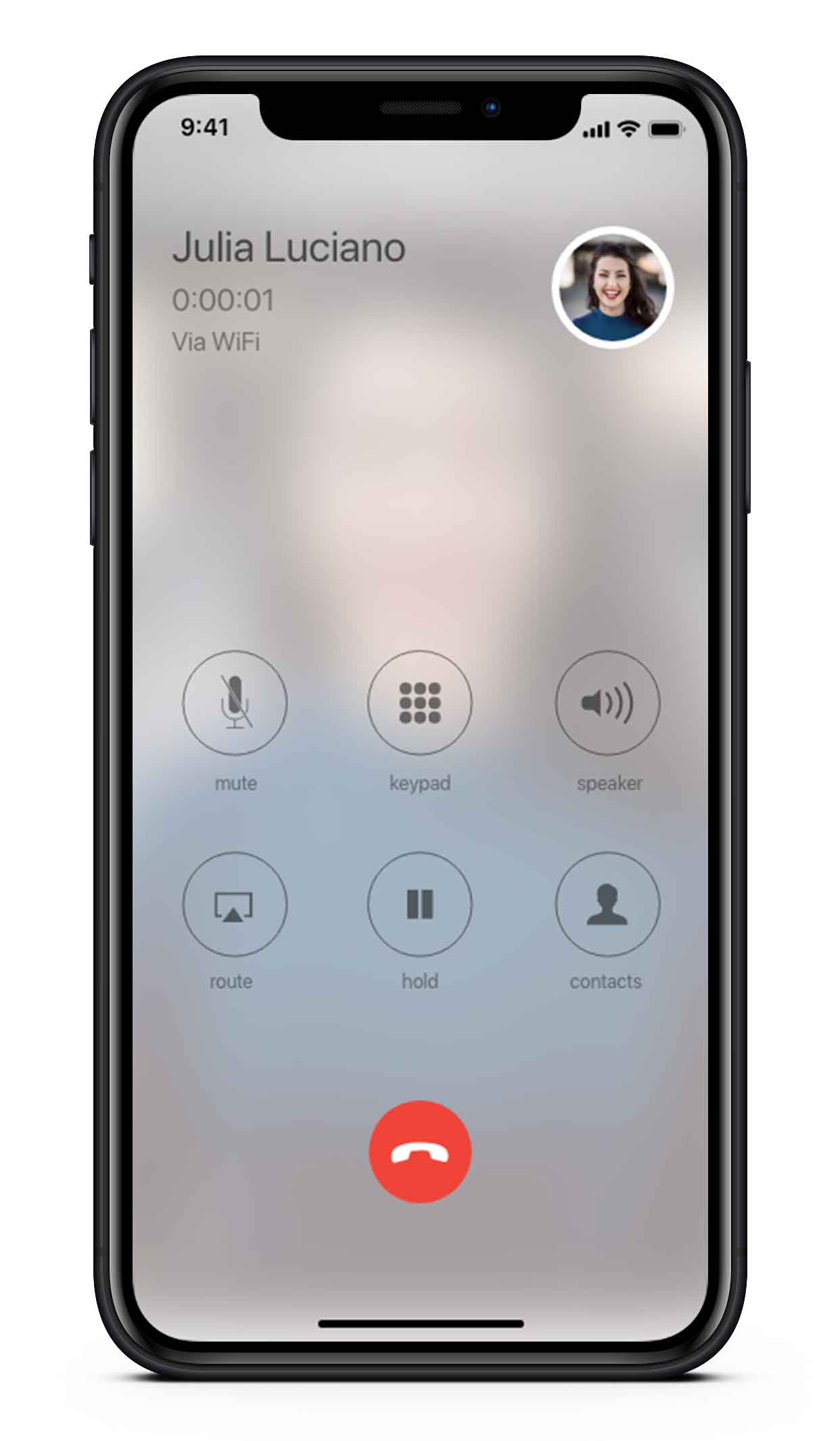
Call anyone, anywhere
No cell minutes used
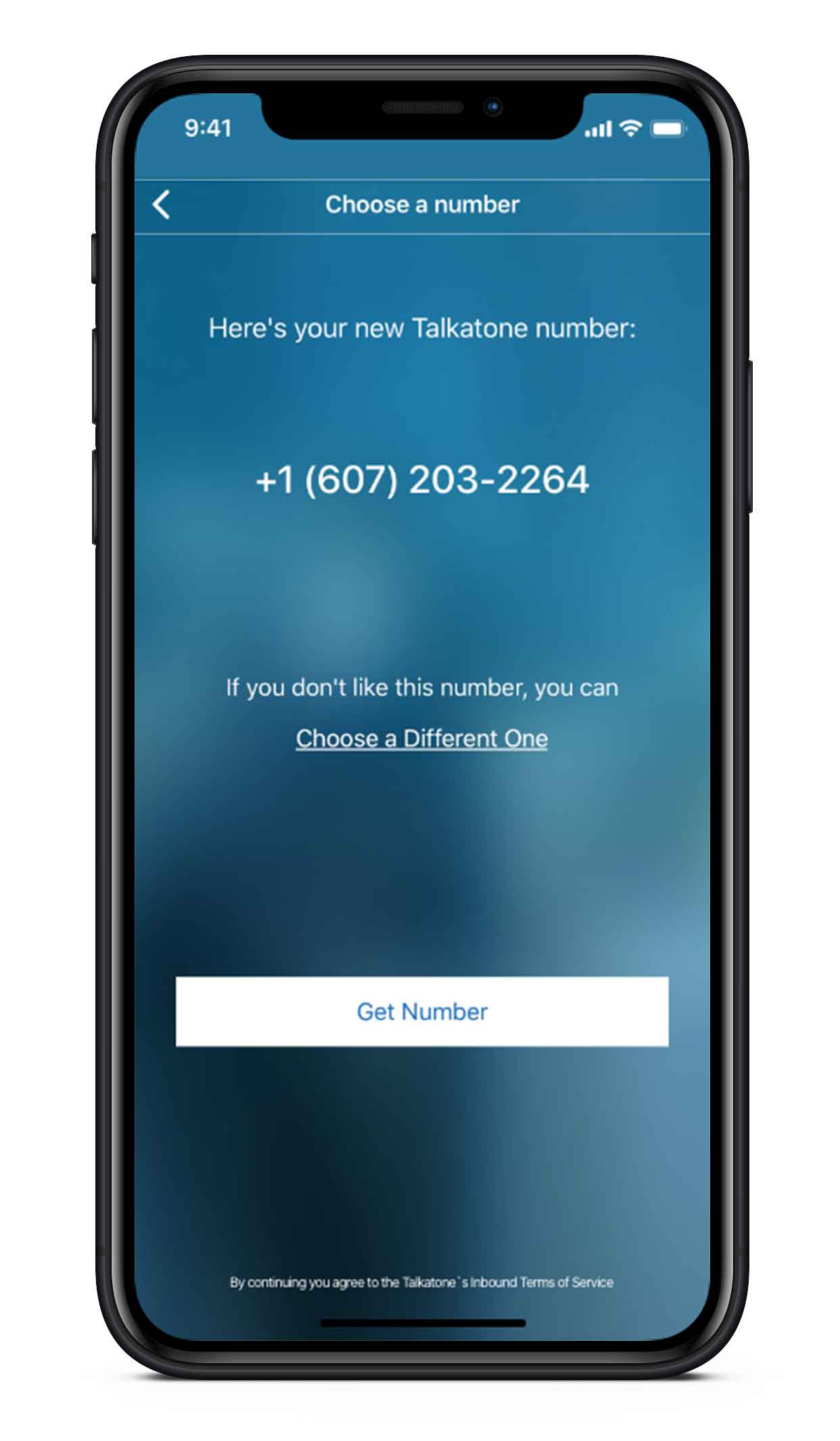
Get a US phone number
No charges, no fees
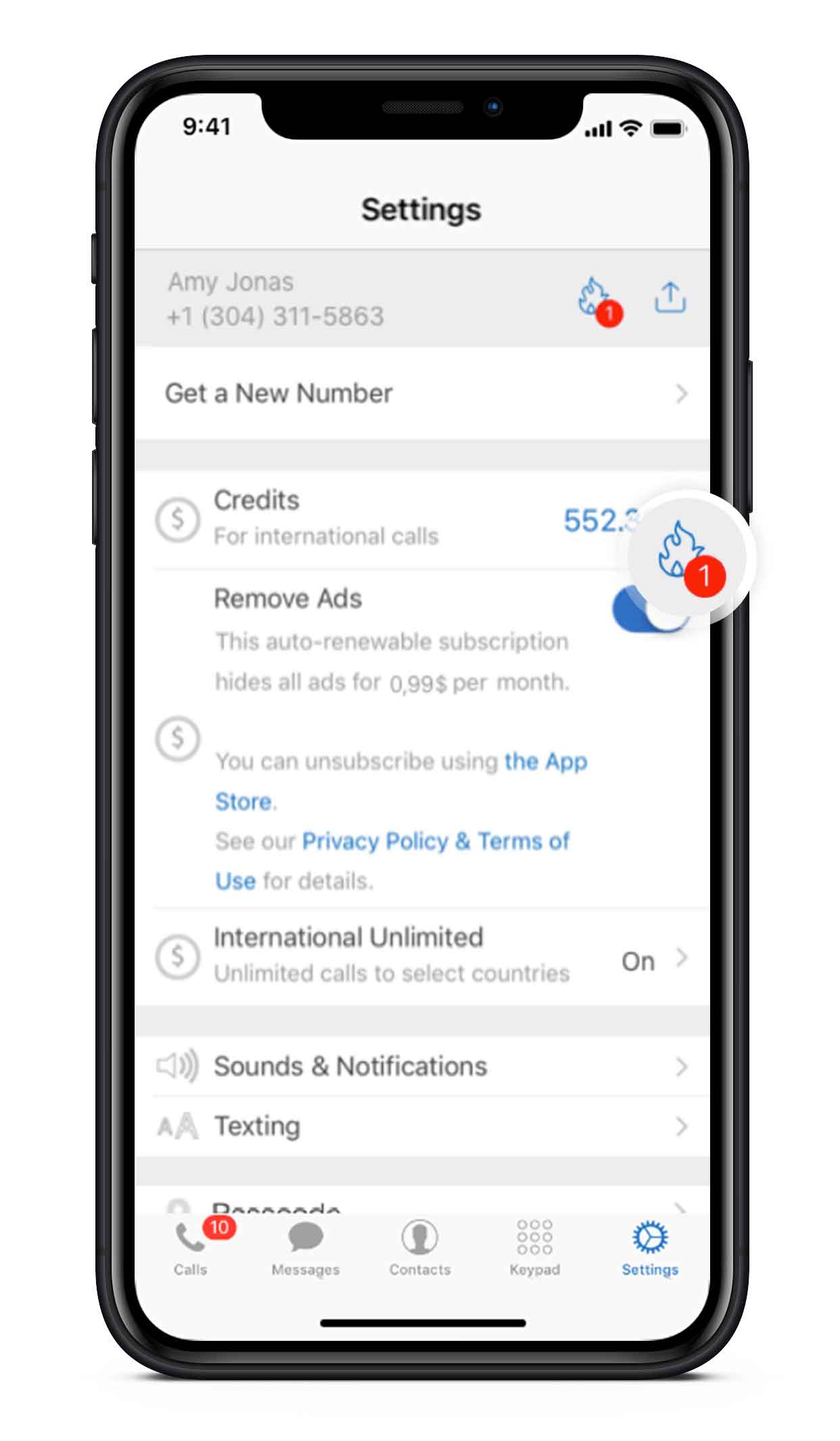
Change your number anytime
And keep your message and call history
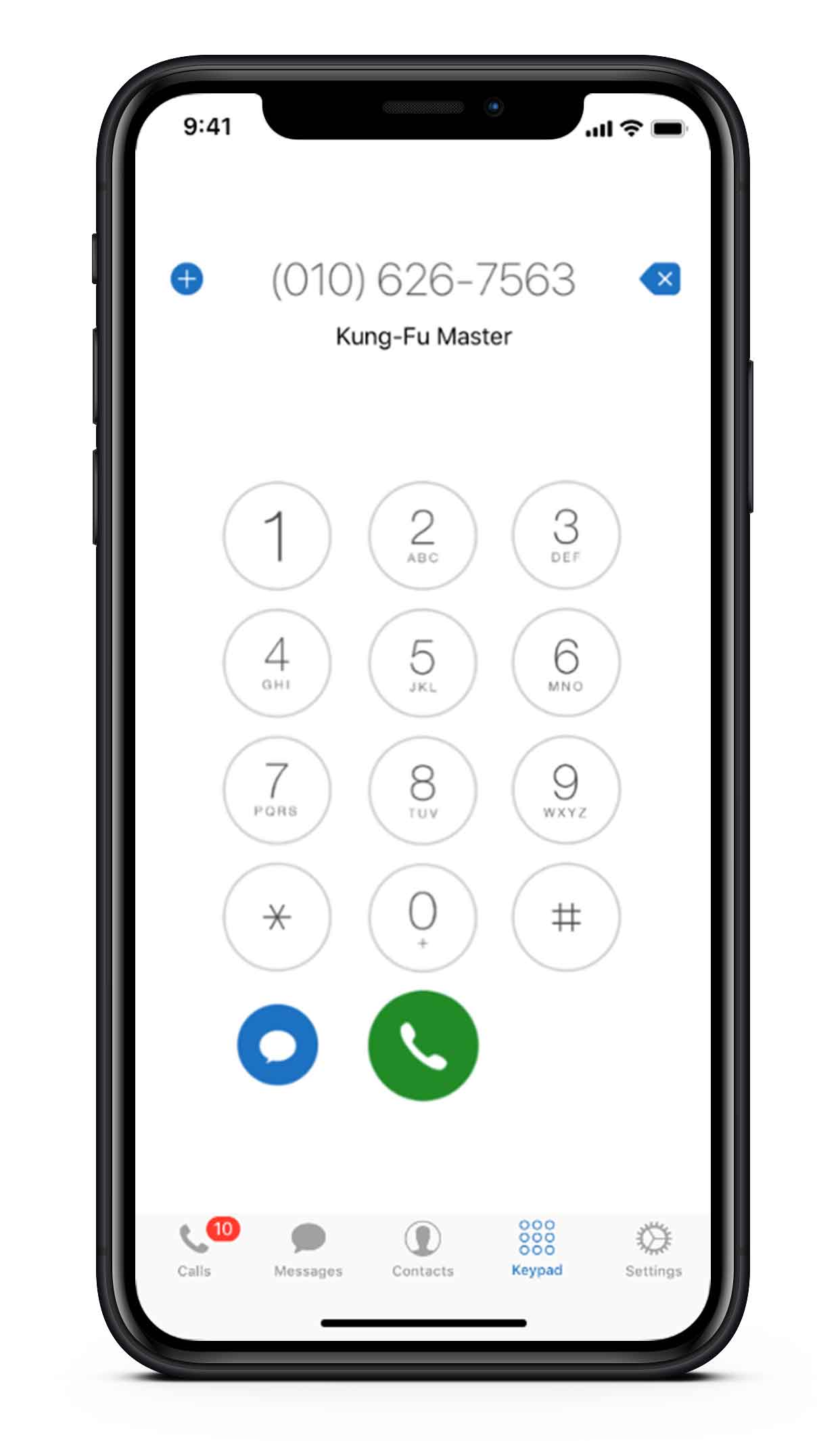
Calls and texts
To most US numbers
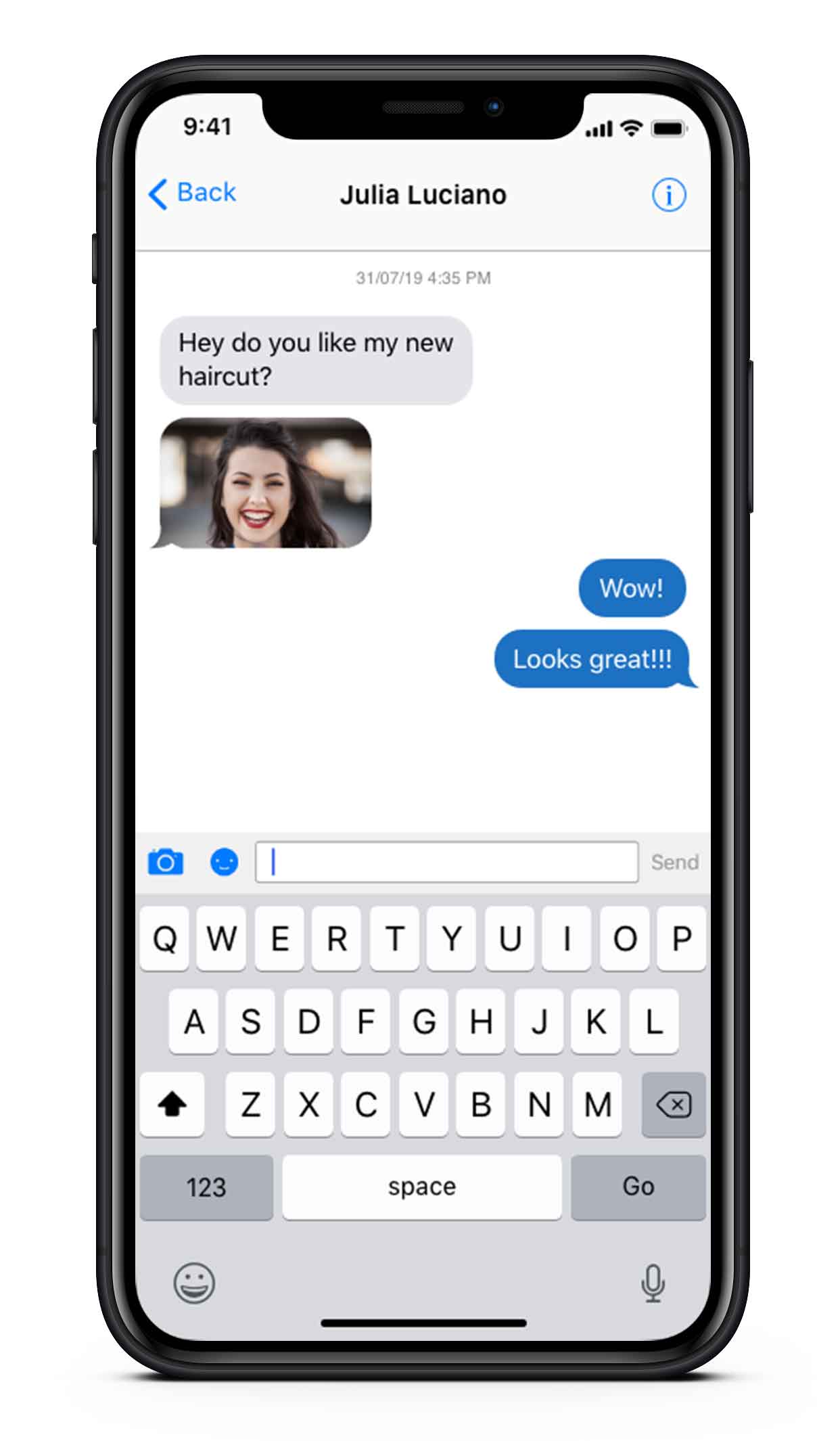
The calling app that let’s you choose your own free U.S. phone number. Make and receive free texts and calls to most U.S. phone numbers, including landlines.
Unlimited texting to U.S. phone numbers.
Call and text friends and family with Talkatone via WiFi or cell data; no cell minutes required. Turn your iPod or iPad into a phone (also available for Android).
Take your iPhone, iPad or iPod with you when you travel. Call and text U.S. phone numbers on WiFi without paying outrageous roaming charges.
Connect with your friends and family. Truly unlimited free Talkatone-to-Talkatone calls and texts anywhere in the world, including picture messaging.
However, by the 1960s, Philco struggled to keep driving against competitors like Sony and Motorola. The company was sold to Ford Motor Company in 1961 (becoming Philco-Ford), and later parts were absorbed by Philips and other firms. Despite its decline, the technical and cultural “drivers” Philco installed in the market—quality, affordability, design flair—had already transformed the American home. While there is no historical figure named “Driver Philco,” the term brilliantly encapsulates two realities: the electronic driver stages inside Philco’s chassis that powered audio from weak radio signals into living rooms, and the company’s role as a market driver that pushed radio and television from luxuries to necessities. Philco’s legacy is not a person but a principle—that thoughtful engineering, coupled with mass production, can drive profound social change. The next time you turn on a screen or tune a digital station, you are touching a current that Philco, in its heyday, helped drive into the mainstream.
Given the lack of evidence for a specific person named “Driver Philco,” this essay will explore the more meaningful and historically accurate intersection: , and the company’s broader impact on driving American technology forward. This approach transforms the prompt into an informative discussion of how Philco acted as a driver of change in the early electronics industry. The Driver Behind the Dial: Philco’s Role in Radio and Electronic Innovation In the golden age of radio, few names resonated as powerfully as Philco. While “Driver Philco” is not a person, the term evokes a crucial concept: the electronic driver circuits and vacuum tubes that powered Philco’s legendary receivers, and the company’s own role as a driving force in bringing technology into the American home. From the 1920s through the 1950s, Philco’s engineering and manufacturing prowess acted as a primary driver of consumer electronics, making complex technology accessible, reliable, and affordable. The Technical Driver: Philco’s Circuitry and Tubes In vacuum tube electronics, a “driver” is a stage or component that provides power, gain, or signal conditioning to operate a subsequent stage, such as a power amplifier or a loudspeaker. Philco did not invent the driver tube, but it perfected its application. The company’s engineers developed proprietary circuits—like the Philco “High-Fidelity” driver designs—that reduced distortion and improved audio response. Models such as the Philco 90 and 116B used multi-stage amplification where driver tubes (e.g., type 27 or 42) were critical for delivering clean audio to the output stage. driver philco
Moreover, Philco’s famous (1930s) relied on a small electric motor and a series of relays—essentially electromechanical drivers—that allowed users to select stations with the push of a button. This innovation, a precursor to modern preset tuning, was a direct result of Philco’s emphasis on user-friendly design, driven by an understanding of household needs. Philco as an Industrial Driver Beyond circuits, Philco itself was a driving force in the industry. Founded in 1892 as the Helios Electric Company, it became the Philadelphia Storage Battery Company in 1919, selling batteries for early radios. Recognizing that battery sales depended on radio ownership, Philco took the bold step of manufacturing complete radios. By 1930, Philco was the world’s largest producer of radios, outpacing RCA and Atwater Kent. However, by the 1960s, Philco struggled to keep
Talkatone is the best option to call and text for free to and from most US and Canadian phone numbers. By contrast, Skype, Viber and Facetime are only free if the recipient has also already installed the app. Download the app on App Store or Google play.